
Fertility conditionFor men
Low sperm count: causes, tests and treatment options
Low sperm count, medically called oligozoospermia or oligospermia, means the concentration of sperm in semen is lower than the reference range used by the laboratory. It is one possible cause of male infertility and may reduce the chance of natural conception, depending on its severity and other factors.
A low sperm count does not automatically mean a man cannot father a child. Some men conceive naturally; others may benefit from medical treatment, lifestyle changes or assisted reproduction.
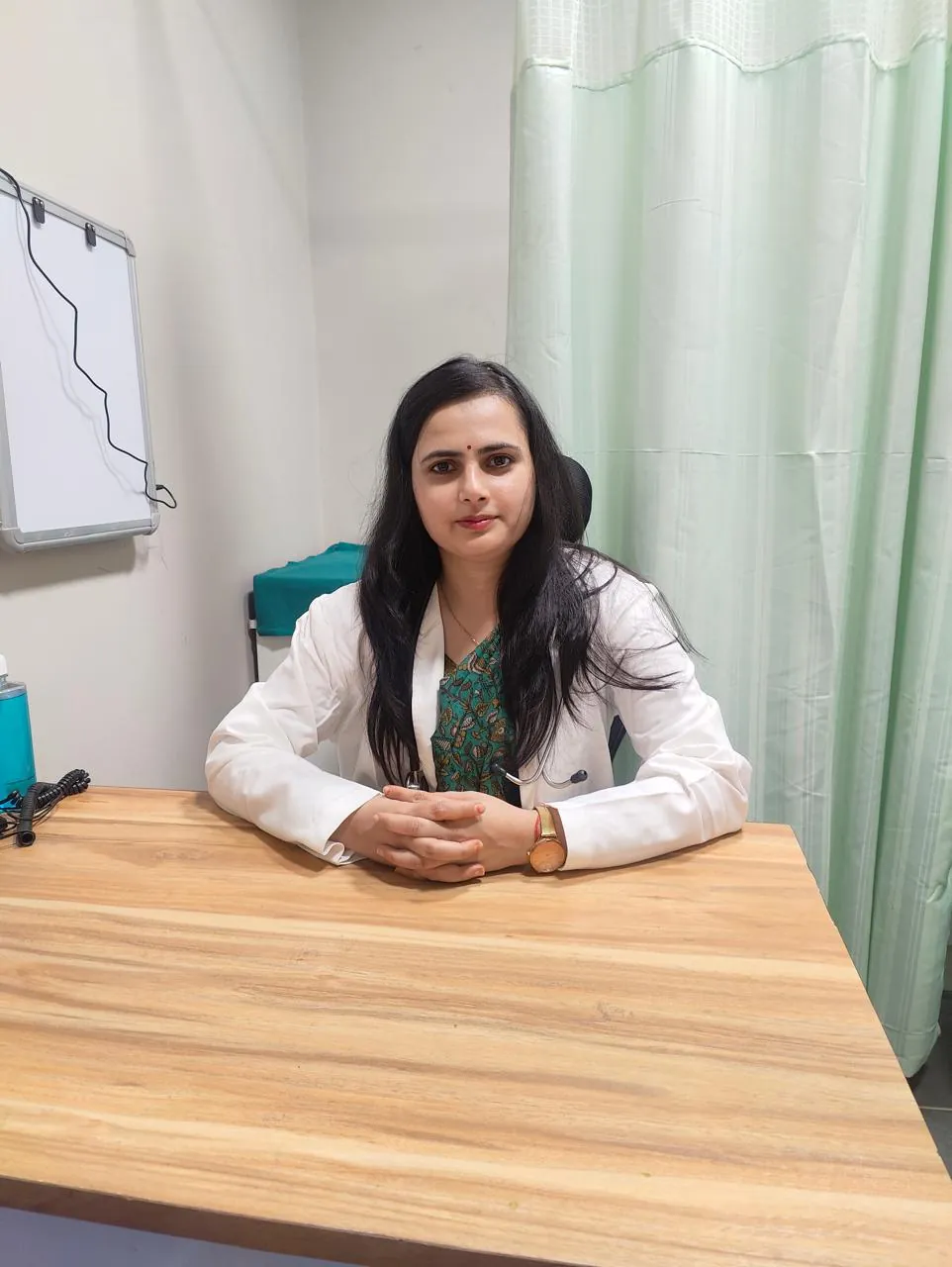
Medically reviewed by Dr. Berkheez Shabir, MBBS, MS (Obs & Gynae) · Last updated 18 November 2026
- A reference, not a verdictlab ranges do not decide fertility on their own
- Often no symptomsmost men find out through a semen analysis
- Many optionsfrom treating a cause to IUI, IVF or ICSI
What is low sperm count
What is low sperm count?
Low sperm count means a lower-than-reference sperm concentration in semen. The World Health Organization’s sixth edition laboratory manual reports a lower fifth-percentile reference value of about 16 million sperm per millilitre, among men whose partners conceived within a year.
This is a reference value, not a strict boundary between fertility and infertility. An abnormal semen analysis does not on its own show whether natural conception is possible; results are read with medical history, examination and the assessment of both partners.
Concentration is only one part of a semen analysis
- Count and concentrationHow many sperm are present
- MotilityHow well the sperm move
- MorphologyThe share with a typical shape
- Semen volumeThe amount of semen
The report may also include total sperm number in the whole sample and other characteristics.
Illustration only. The reference value helps standardise reports; it does not decide on its own whether a man is fertile.
Common causes
Common causes of low sperm count
In some men a specific cause can be found and treated. In others more than one factor contributes, or the cause remains unexplained. Choose a cause to see where it acts.
Hormonal imbalances
HormonesTestes
FSH, LH and testosterone play important roles in sperm production. Certain hormonal disorders can interfere with the signals needed for normal testicular function. Hormone tests may be recommended when the history, examination or semen analysis suggests a hormonal problem.
Varicocele
Veins around the testis
A varicocele is an enlargement of the veins around the testicles. In some men it may be associated with impaired sperm production or reduced semen quality. It does not always need treatment; surgery depends on the findings, semen results, symptoms and the couple’s situation.
Infections and inflammation
Reproductive and urinary tract
Some infections of the reproductive or urinary tract may affect sperm production, transport or other aspects of reproductive health, depending on type and severity.
Antibiotics help specific bacterial infections but do not improve sperm count in every case.
Testicular conditions
Testes
Previous testicular injury, undescended testicles, certain infections and some medical treatments can affect sperm production. Discuss any history of testicular surgery, chemotherapy or radiotherapy during the evaluation.
Genetic factors
Genes
Some genetic conditions can affect testicular development, hormone function or sperm production. Genetic testing may be considered when counts are severely reduced or findings suggest an inherited condition, with genetic counselling where appropriate.
Blockage in the reproductive tract
Sperm ducts
A blockage in the structures that carry sperm can reduce the number of sperm in the ejaculate. In selected cases production may be normal even though fewer sperm reach the semen. Further evaluation shows whether an obstruction is present and what to consider.
Medicines and hormone products
Hormone signals
Some medicines and hormone products can affect sperm production. Testosterone therapy and anabolic steroids are especially important to discuss, because they may suppress the body’s own sperm-producing signals.
Do not stop prescribed medicines yourself. Ask your doctor whether a medicine could affect fertility and whether an alternative is suitable.
Lifestyle and environmental factors
Daily habitsWorkplace
Factors that may contribute to impaired sperm health in some men include:
- Tobacco use and smoking
- Excessive alcohol
- Anabolic steroid use
- Obesity and related metabolic conditions
- Some workplace chemicals or toxins
- Some medicines and non-prescribed hormone products
- A recent significant illness, including fever
These are not the only possible explanations; a medical evaluation should come first.
Age and general health
Overall health
Male reproductive health can change with age, though this varies between individuals. Chronic health conditions and certain treatments may also influence semen results.
Unexplained low sperm count
No clear cause found
Sometimes tests do not find a clear cause. An unexplained result does not mean no treatment is possible; options are considered according to the information available.
Symptoms
Symptoms of low sperm count
Low sperm count often has no noticeable symptoms. Possible associated signs include:
Difficulty achieving a pregnancy
Reduced sexual desire
Erectile or ejaculatory difficulties
Pain, swelling or a lump in the testicular area
Testicles that appear unusually small
Symptoms of a hormonal disorder
Often no symptoms. These signs do not confirm a low count, and many men have none. A semen analysis is needed. Sudden or severe testicular pain needs urgent medical evaluation.
Diagnosis
Diagnosis of low sperm count
An accurate diagnosis shows whether a low count is persistent, looks for possible causes and guides treatment planning.
- 1
Semen analysis test
The main laboratory test of sperm concentration and other semen characteristics. The report may include:
- Sperm concentration per millilitre
- Total sperm number per ejaculate
- Progressive and total motility
- Sperm morphology
- Semen volume and other parameters
The WHO sixth edition laboratory manual provides reference values for standardised assessment. They are not strict cut-offs that decide fertility on their own.
About semen analysis - 2
Repeat semen analysis
Semen results vary between samples, so a repeat test may be advised after an abnormal report. Timing depends on how abnormal it is: a repeat may be done after an interval that allows sperm production to progress, while a markedly low count may need quicker confirmation.
Follow the laboratory’s instructions on collection, abstinence and delivery. An incomplete sample or recent illness can affect results.
- 3
Male fertility evaluation
The specialist may review previous illnesses, surgery, medicines, hormone use, infections, lifestyle and reproductive history. An examination may check the testicles and look for varicocele or signs of hormonal problems.
- 4
Hormone testing
Blood tests may include FSH and testosterone, with LH and others when indicated, to see whether a hormonal problem may be reducing sperm production. They are used according to the semen results, symptoms and examination.
- 5
Scrotal ultrasound
Advised when the examination suggests a structural concern or more information is needed. It is not routine for every man with a low count.
- 6
Genetic testing
May be considered for selected men with severely reduced counts or signs of an inherited condition, such as chromosome analysis or Y-chromosome microdeletion testing, with genetic counselling to explain results.
- 7
Additional investigations
Further tests may be considered when the history or first results suggest a specific condition, such as an obstruction or infection. Not every patient needs every test.
Treatment options
Low sperm count treatment options at Bachan IVF
Treatment depends on how much the count is reduced, the cause, other semen results and the assessment of both partners.
Medical treatment
Medicine may help when a specific, treatable condition is found; for example, certain hormonal disorders respond to specialist-directed treatment. There is no single medicine that reliably increases sperm count in every man, so treatment should target the identified cause rather than unproven fertility medicines.
Important: testosterone therapy can suppress sperm production. Discuss hormonal symptoms with a specialist before starting testosterone if you are planning a pregnancy.
Lifestyle changes to support sperm health
- Stop smoking and tobacco use.
- Avoid anabolic steroids and non-prescribed hormone products.
- Maintain a healthy body weight.
- Follow a balanced diet.
- Stay physically active.
- Limit alcohol as advised.
- Review medicines that may affect fertility with your doctor.
- Discuss workplace or environmental exposures.
Sperm production takes time, so any improvement may take several months to assess. Lifestyle changes alone may not correct genetic conditions, major testicular problems or blockages.
Varicocele treatment
When a clinically significant varicocele is present alongside infertility and abnormal semen results, varicocele repair may be considered after discussing benefits and risks. Surgery does not guarantee an improvement in sperm count or pregnancy.
Treatment of underlying infections
When an infection is found, treatment depends on its type and the findings. It may help the underlying condition but does not necessarily reverse production problems or damage that has already happened.
Treatment for hormonal conditions
When a specific hormone-related diagnosis is made, a specialist may prescribe appropriate medicine and monitor the response. Hormonal treatment is not suitable for every type of low sperm count.
Intrauterine insemination (IUI)
Prepared sperm are placed in the uterus around ovulation. IUI may be considered in selected cases of mild male factor infertility when enough suitable motile sperm are available after preparation and the female partner’s assessment is appropriate. It may be less suitable when count or motility is severely reduced.
About IUIIn vitro fertilisation (IVF)
Eggs are collected and fertilised in a laboratory. IVF may be considered when male factor infertility is more significant, other approaches are unsuitable, or other fertility factors are present. It does not guarantee fertilisation, embryo development, implantation, pregnancy or live birth.
About IVFIVF with ICSI
A selected sperm is injected directly into an egg. ICSI may be considered for severe male factor infertility, including very low counts or significantly reduced motility. It does not correct every underlying cause and cannot guarantee pregnancy.
About ICSISperm retrieval in selected cases
When very few sperm are present, or sperm are absent because of a specific condition, procedures such as TESA, TESE or other techniques may be considered. They are not needed for every man with a low count.
About PESA and TESA
At a glance
Which treatment may be suitable for low sperm count?
Possible approaches, not individual recommendations. The coloured bar shows how the findings range from milder to more significant.
| Fertility finding | Possible approach |
|---|---|
| Mildly reduced sperm concentration | Repeat testing, review of contributing factors, and individualised advice |
| Suspected hormonal condition | Targeted hormone testing and treatment when indicated |
| Clinically significant varicocele | Assessment for possible varicocele repair |
| Suspected reproductive tract obstruction | Further evaluation and discussion of suitable treatment |
| Mild male factor infertility with suitable overall findings | Consideration of IUI |
| More severe sperm count or motility abnormalities | Assessment for IVF with or without ICSI |
| Very low or absent sperm in the ejaculate | Further specialist evaluation and discussion of appropriate options |
The most appropriate plan depends on the full clinical assessment of both partners.
Everyday habits
How to support sperm count naturally
Healthy habits support general health and may help some modifiable factors linked to sperm quality. They should not replace medical assessment when a semen analysis is abnormal.
- Eat a balanced diet
Vegetables, fruits, whole grains, pulses, nuts and suitable protein support general health, but no food can guarantee a higher sperm count.
- Maintain a healthy weight
A healthy weight may support hormonal and metabolic health. Any plan should be sustainable and suited to you.
- Avoid tobacco and anabolic steroids
Both can harm reproductive health. Ask a healthcare professional for support to stop.
- Review medicines and supplements
Do not stop prescribed treatment yourself; discuss alternatives with your doctor. Supplements are not proven to correct every cause of a low count.
- Manage sleep and stress
Good sleep, activity and emotional support help wellbeing during treatment, but cannot be relied on to correct a medical condition.
Timing
How long does it take to improve sperm count?
The timeframe depends on the cause and the treatment. Your specialist can explain when to repeat tests and how progress will be assessed.
- Repeat semen analysis
May be recommended to confirm an abnormal result.
- Lifestyle changes
Several months may be needed before changes can be assessed.
- Medical treatment
The response depends on the condition and may need follow-up tests.
- Surgery
Recovery and any change depend on the procedure and diagnosis.
- IUI or IVF
The schedule depends on the couple’s plan and circumstances.
Why is early evaluation important? A low count may sometimes be linked to a hormonal, genetic or testicular condition that needs attention. A couple-based assessment avoids unnecessary delays, and seeking it does not mean assisted reproduction will automatically be needed.
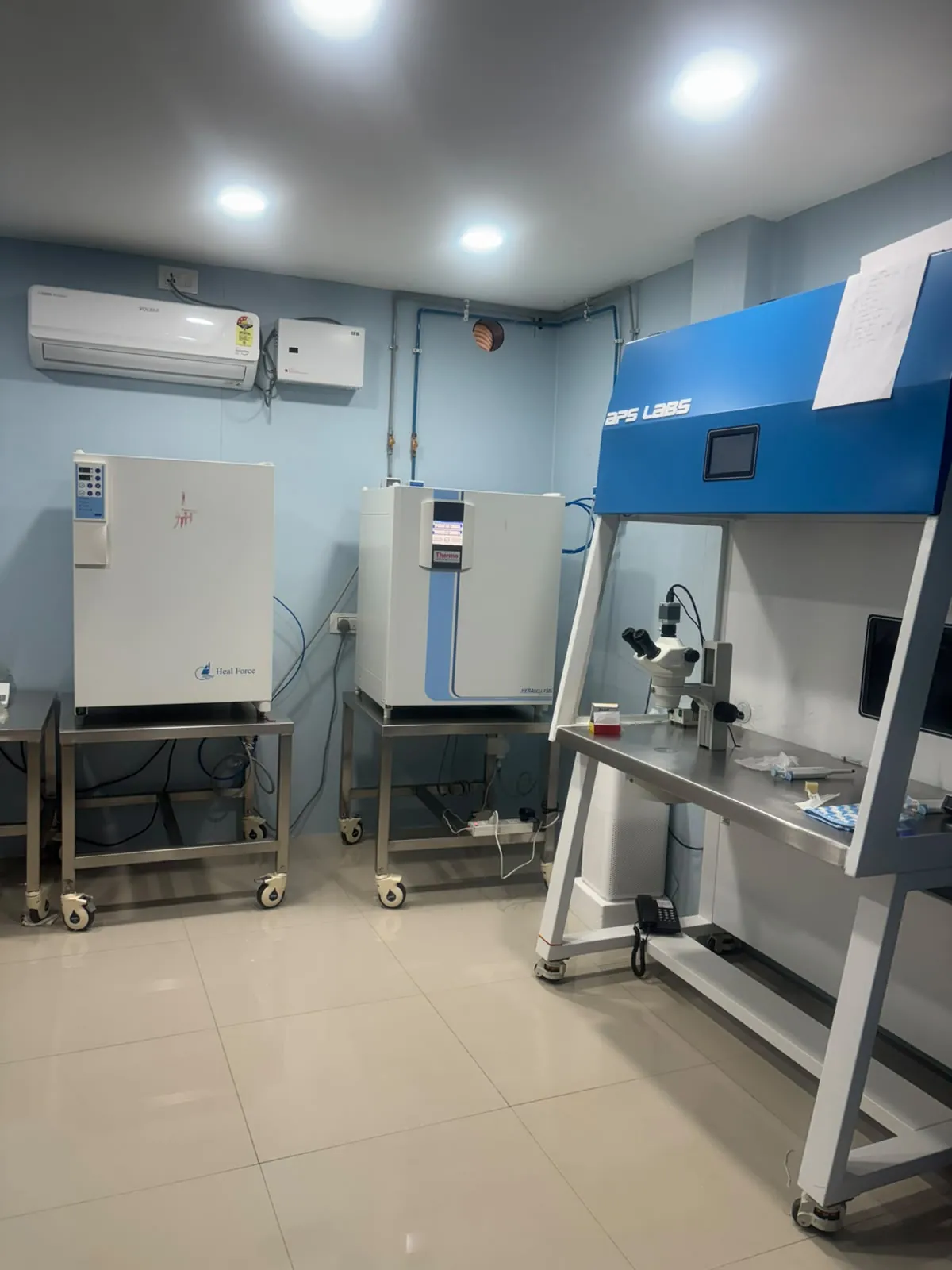
At Bachan IVF
Low sperm count evaluation at Bachan IVF
Men concerned about a low sperm count can have an evaluation to understand their semen results and next steps. Not every patient needs every test or procedure. The assessment may involve:
- 1Reviewing semen reports and whether a repeat test is appropriate
- 2Assessing reproductive history and relevant medical conditions
- 3Considering hormone testing or other investigations when indicated
- 4Identifying possible lifestyle, medicine-related or structural factors
- 5Discussing treatment options based on the findings
- 6Considering the female partner’s fertility assessment
- 7Explaining the possible role of IUI, IVF or ICSI when appropriate
FAQs
Frequently asked questions about low sperm count
Something else? Call or WhatsApp +91 92 11 33 5005.
What is considered a low sperm count?
Low sperm count, or oligozoospermia, refers to a sperm concentration below the relevant laboratory reference range. The WHO sixth edition reference value for sperm concentration is approximately 16 million per millilitre at the lower fifth percentile. This value does not independently determine whether a man is fertile or infertile.
Can a man with low sperm count father a child?
Yes, natural conception may be possible for some men with low sperm counts. The likelihood depends on the degree of reduction, sperm motility, other reproductive factors, and the female partner’s fertility assessment.
What causes low sperm count in men?
Possible causes include hormonal disorders, varicocele, genetic conditions, testicular injury, infections, reproductive tract obstruction, certain medicines, and lifestyle or environmental factors. In some cases, no clear cause is identified.
Can low sperm count be treated?
Treatment depends on the cause. Some men may benefit from treating an underlying medical condition or making appropriate lifestyle changes. Others may be considered for IUI, IVF, or IVF with ICSI depending on their clinical findings.
Which test confirms low sperm count?
Semen analysis is the primary test used to assess sperm concentration and other semen characteristics. A repeat test may be recommended if the initial result is abnormal.
Does low sperm count mean infertility?
Not necessarily. Sperm concentration is one factor in fertility, and some men with low counts can conceive naturally. The result should be interpreted alongside other semen parameters and the fertility assessment of both partners.
Can diet increase sperm count?
A balanced diet supports general health, but no particular food is proven to increase sperm count in every man. If the count is low, medical evaluation can help identify whether a specific cause needs treatment.
Can medicines increase sperm count?
Certain medicines may help when a specific hormonal or medical condition is identified. There is no universal medication that reliably increases sperm count for every cause. Treatment should be based on the diagnosis.
Does testosterone treatment improve sperm count?
External testosterone can suppress sperm production and may reduce sperm counts. Men who wish to conceive should discuss hormonal symptoms and treatment options with a qualified specialist before using testosterone products.
Can stress cause low sperm count?
Stress may affect general wellbeing and sexual health, but low sperm count should not automatically be attributed to stress. A semen analysis and appropriate medical assessment are needed to investigate possible causes.
Is IUI suitable for low sperm count?
IUI may be considered in selected cases when the sperm findings after preparation and the female partner’s fertility assessment are suitable. It may be less appropriate when sperm abnormalities are severe or other fertility factors are present.
When is IVF with ICSI recommended?
IVF with ICSI may be considered in certain cases of severe male factor infertility, including significantly reduced sperm count or motility. The decision depends on the clinical findings and should be discussed with the fertility specialist.
How long does it take for sperm count to improve?
Changes may take several months to become apparent because sperm production occurs over time. The timeframe depends on the cause, treatment, and individual response. Follow-up semen analysis may be recommended when appropriate.
Can smoking affect sperm count?
Smoking and tobacco use may adversely affect reproductive health. Stopping tobacco use can support general health, although it may not resolve low sperm count caused by other medical conditions.
Can a low sperm count become zero sperm count?
Low sperm count and azoospermia are different findings. A low count means sperm are present in the semen, while azoospermia means sperm are not detected after appropriate laboratory examination. If results change significantly, further evaluation may be needed.
Should both partners undergo fertility testing?
Yes. Evaluating both partners can help identify relevant fertility factors and guide decisions about natural conception, IUI, IVF, or other options.
When should I consult a fertility specialist?
A fertility evaluation is generally recommended when a couple has not conceived after 12 months of regular, unprotected intercourse. Earlier assessment may be appropriate after six months when the female partner is 35 or older, or sooner if either partner has a known fertility-related condition or risk factor. An abnormal semen analysis is also a reason to seek medical advice.
Can low sperm count be prevented?
Not all causes can be prevented. Avoiding tobacco and anabolic steroids, reviewing potentially fertility-affecting medicines with a doctor, and seeking timely care for reproductive health concerns may help address some modifiable risks.
Take the next step towards understanding low sperm count
A low sperm count report can raise questions about natural conception and family planning. The first step is to understand the result, look for possible causes and decide whether treatment or more tests may help. At Bachan IVF, a consultation can help you review your semen analysis and make informed decisions about your fertility care.
Sources and further reading
- WHO laboratory manual for the examination and processing of human semen, 6th edition
- NICE guideline CG156: Fertility problems, assessment and treatment
- AUA/ASRM guideline: Diagnosis and treatment of infertility in men
- MedlinePlus: Semen analysis
Medical disclaimer: This page provides general educational information and is not a substitute for a medical consultation, diagnosis or personalised treatment advice. Tests and treatment should be recommended by a qualified medical professional based on individual clinical findings. Outcomes vary, and no specific pregnancy or live-birth outcome can be guaranteed.